
Butterball injects a salt-water brine solution directly into their turkeys during processing—up to 4% in fresh birds and 8% in frozen ones. This injection distributes salt and seasonings throughout the meat fibers, which bond with proteins to lock in moisture and tenderness before you buy the turkey. The result? Consistently juicy, tender meat straight from the package. But here’s where it gets interesting: understanding how this pre-brining affects your cooking choices makes all the difference.
What Is Pre-Brining and How Does Butterball Do It?
Ever wonder why some turkeys taste juicier right out of the package? That’s because Butterball injects them with a brine solution before you buy them. Pre-brining means the company pumps a mixture of water, salt, and spices directly into the meat. Fresh Butterball turkeys receive up to 4% of this solution, while frozen varieties get up to 8%. This injection enhances tenderness and juiciness without requiring you to do extra work. Additionally, these all natural turkeys are hormones-free, so you’re getting quality meat that’s already seasoned. The pre-brining happens before packaging, which is the reason the label instructs you to drain the juices and pat the turkey dry before cooking. It’s a smart shortcut that delivers restaurant-quality results.
What’s Inside Pre-Brined Butterball Turkeys
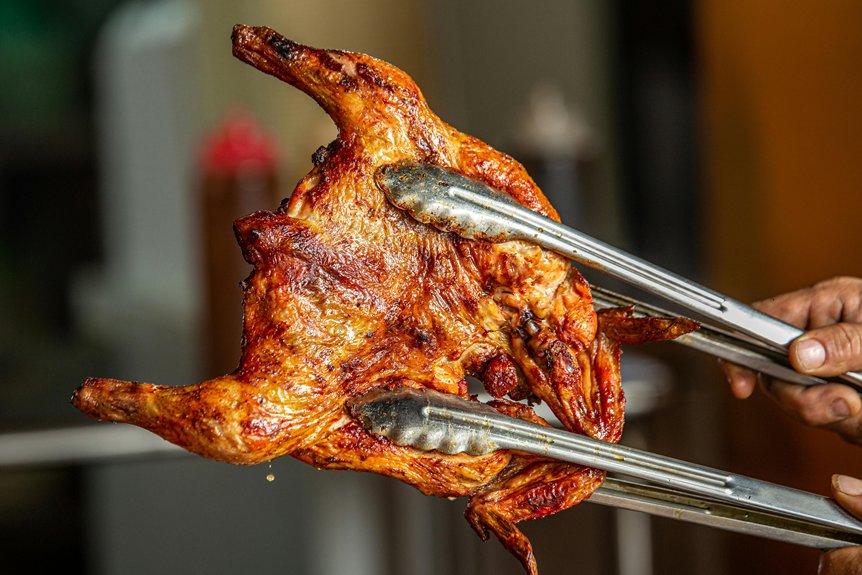
When you crack open a package of Butterball Fresh turkey, you’re getting more than just poultry—you’re getting a carefully crafted brine solution that’s already working its magic inside the meat. That solution’s made up of water, salt, and spices (up to 4% in Fresh varieties), and it’s injected directly into the breast meat to ensure the flavor and moisture reach where it matters most. The salt and seasonings don’t just sit on the surface either; they distribute throughout the meat fibers, which is why your turkey comes out tender and juicy without you having to do any extra brining work yourself.
The Brine Solution Composition
What exactly gets injected into a Butterball turkey before it hits your grocer’s shelf? I’ll break down the brine composition for you. Butterball’s pre-brined turkeys contain carefully measured solutions designed to enhance flavor and texture from the inside out.
| Turkey Type | Solution Percentage | Key Ingredients |
|---|---|---|
| Fresh | Up to 4% | Water, Salt, Spices |
| Frozen | Up to 8% | Water, Salt, Spices, Natural Flavor |
The brine composition uses minimally processed, all-natural ingredients—no artificial additives sneaking in. The water-salt-spices blend penetrates the meat during processing, boosting tenderness and juiciness. Frozen varieties include natural flavor for extra depth. This pre-brined approach means you’re getting a butterball turkey that’s already optimized for moisture retention. Understanding this composition helps you appreciate why these turkeys cook so consistently delicious every time.
Salt And Flavor Distribution
How does salt actually spread throughout a Butterball turkey when it’s injected rather than soaked? The injection method distributes the brine solution directly into the meat fibers, reaching areas that traditional soaking might miss. When you buy a pre-brined Butterball, the salt and flavorings have already penetrated deep within, thanks to this targeted approach.
The solution—containing water, salt, and spices—makes up to 4% of Fresh Butterball weight, or 8% for frozen varieties. This isn’t random placement. The salt molecules bond with proteins, helping retain moisture and enhance tenderness throughout. Unlike submerged brining, injection creates a more uniform distribution pattern. You’re getting consistent seasoning in every bite, not just the surface. That’s why these turkeys arrive dinner-ready, flavored inside and out.
Why Butterball Pre-Brines Its Turkeys
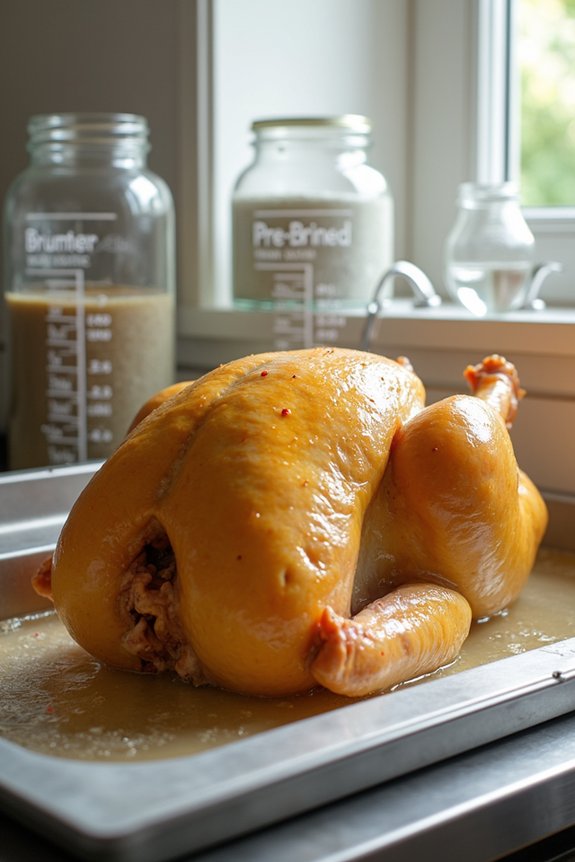
Ever wonder why Butterball turkeys taste juicy right out of the package? The answer lies in their pre-brining process. Butterball injects a brine solution containing water, salt, and spices directly into the bird during processing. This isn’t your grandmother’s soaking method—it’s a strategic step that guarantees results.
Here’s why this matters: the brine solution penetrates the meat, enhancing both tenderness and juiciness before you even bring the turkey home. Some Butterball products contain up to 8% brine solution, depending on the variant. You’ll find this clearly noted in the labeling as part of their “all natural” commitment, meaning no artificial ingredients sneak into your bird.
Essentially, Butterball’s doing the heavy lifting for you, ensuring consistent quality and flavor in every bite.
Fresh vs. Frozen Butterball Turkeys: Pre-Brining Differences
Here is the original text rewritten with contextually relevant alternative words replacing ONLY the phrase “did you know”:
Did you realize that Butterball’s fresh and frozen turkeys aren’t brined the same way? Here’s the difference: Fresh Butterball turkeys contain up to 4% brine solution—water, salt, and spices—injected primarily into the breast meat before packaging. This approach keeps your turkey tender and juicy right from purchase. Frozen turkeys, meanwhile, get a more generous treatment with up to 8% brine solution that includes natural flavor along with the standard ingredients. The higher percentage works because freezing preserves the solution’s effectiveness during storage. Fresh turkeys require refrigeration and use within days, while frozen ones let you plan ahead and thaw before cooking. Both deliver that signature Butterball tenderness, just tailored to your timeline and preferences.
Do Pre-Brined Turkeys Need Extra Brining?
When you’re holding a Butterball turkey at the store, you’re already looking at a bird that’s had salt and seasonings pumped into it—so should you brine it again?
Here’s the honest answer: it depends. Your Butterball’s pre-brining during processing already adds tenderness and juiciness through that water, salt, and spices solution. Extra brining isn’t strictly necessary, but some cooks swear by it for even better results.
| Turkey Type | Pre-Brine Amount | Extra Brining Needed? | Best For |
|---|---|---|---|
| Fresh Butterball | Up to 4% solution | Optional | Quick prep |
| Frozen Butterball | Up to 8% solution | Optional | Maximum moisture |
| Either type | Pre-brined already | Skip if short on time | Busy schedules |
The real consideration? Added salt. Since processing already salts your bird, extra brining risks oversalting. I’d recommend skipping additional brining unless you’re targeting a specific flavor profile or have extra time.
Pre-Brined Turkey Sodium Levels Explained
Here’s the thing: How much sodium’s actually in your pre-brined Butterball turkey? I’ll break it down for you. Butterball injects a brine solution directly into fresh turkeys—up to 4% water, salt, and spices. Frozen varieties get even more: up to 8% solution that includes natural flavor too. That sodium’s coming straight from these injected treatments, not from soaking the bird in water. When you check the nutrition label on your Butterball package, you’re seeing sodium from both the pre-brined solution and the turkey’s natural salt content combined. Here’s the thing: if you’re planning to add extra salt while cooking, you’ll definitely notice the saltiness more strongly. Understanding these sodium levels helps you season smartly and avoid oversalting your holiday dinner.
Can You Brine a Pre-Brined Turkey Without Over-Salting?
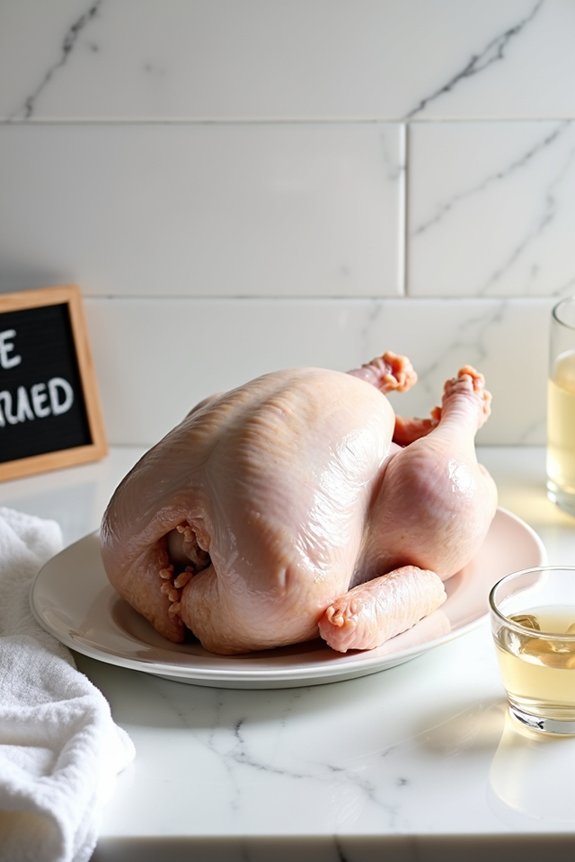
I’ll walk you through whether you can safely brine a Butterball turkey that’s already been pre-brined, because understanding how salt works in this situation is key to avoiding an overly salty bird. Your turkey’s already absorbed up to 4–8% of a salt solution before you bought it, so when you add more brine, you’re risking a salt buildup that can turn your dinner into a sodium overload—think of it like your turkey’s cells already full and pushing back against extra salt trying to enter. If you still want to brine, you’ll need to use a lighter brine with reduced salt (cutting normal salt amounts in half) or skip brining entirely and let the pre-brining do its job.
Understanding Osmosis and Salt Balance
Why does adding more salt to an already-salty turkey seem like a risky move? It all comes down to osmosis—the process that naturally balances salt concentration across turkey cells. When you brine a pre-brined Butterball, salt molecules migrate through the meat until equilibrium is reached. Since your Butterball already contains salt from processing, extra brining pushes overall salt concentration higher without necessarily adding flavor.
Think of it this way: your pre-brined bird is already partway to salt balance. Additional brining continues osmosis, but with existing salt present, you’re stacking layers of saltiness. A low-salt brine approach works better—shorter soaking times with reduced salt concentration let you enhance flavor without oversalting. Understanding this salt balance prevents your holiday turkey from becoming an unpalatable brick of sodium.
Risk of Excess Sodium Content
Since your Butterball turkey’s already carrying up to 4% of a salt-based solution from the factory, you’re walking a fine line when you decide to brine it further. I’ve learned that extra brining can push sodium levels into unhealthy territory. The pre-brined labeling tells you salt’s already there, waiting inside those fibers.
| Brining Approach | Sodium Risk Level |
|---|---|
| No additional brining | Low |
| Light brining (4-6 hours) | Moderate |
| Standard brining (12 hours) | High |
| Extended brining (24+ hours) | Very High |
| Double-brining method | Dangerous |
When osmosis pulls that existing salt deeper into meat, you’re not just adding flavor—you’re compounding sodium content. I’d recommend checking Butterball’s labeling before attempting any extra brining. Your taste buds and heart’ll thank you for exercising caution here.
Practical Brining Decision Framework
Now that you understand the sodium risks, you’re probably wondering whether you should brine your Butterball turkey at all. Here’s the honest answer: you can brine a pre-brined turkey without disaster, but you’ll want to be strategic. Since your Butterball already contains a salt solution, osmosis means extra salt won’t dramatically increase your bird’s saltiness—the levels will naturally balance out. However, using a heavy-handed brine risks tipping things over the edge into unpleasantly salty territory. Instead, consider a lighter brine or skip brining entirely. Your pre-brined turkey’s already ahead of the game. Ask yourself: do you want enhanced juiciness and flavor, or would you rather play it safe? That simple question guides your decision perfectly.
Flavor Boosts Beyond Brining
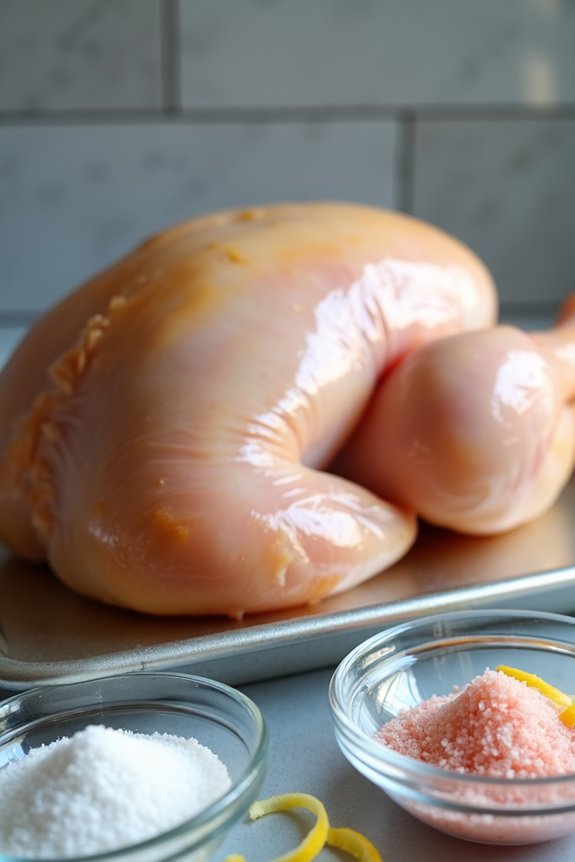
How much flavor can you actually add to a turkey that’s already been enhanced before it hit the store shelf? Since Butterball turkeys come pre-brined with an injected salt solution for tenderness, you’re working with a head start. That doesn’t mean you’re stuck, though. Here’s where you can still make your mark:
- Dry rubs with herbs and spices applied under the skin for deep flavor penetration
- Butter injections using garlic, thyme, and rosemary for additional moisture and taste
- Glazes brushed during cooking to build caramelized layers without oversalting
- Aromatics stuffed inside like onions, citrus, and herbs for subtle infusion
The key? Avoid extra salt since your Butterball already contains that salt solution. Layer complementary flavors instead. This approach gives you belonging in the kitchen—you’re enhancing what’s already good without fighting against it.
Still Unsure? Reach Butterball’s Turkey Talk-Line
When you’re standing in your kitchen wondering whether that pre-brined Butterball needs extra salt or if you should skip brining altogether, you’ve got backup. Butterball’s Turkey Talk-Line exists specifically for questions like yours. Since Fresh Whole Turkeys arrive with a salt solution already applied—up to 4% water and salt in fresh varieties—confusion about preparation is totally normal. The experts on the Turkey Talk-Line understand that pre-brined turkeys change your cooking approach. They’ll guide you through whether additional brining makes sense for your recipe or if the existing salt solution suffices. You’re not alone in this decision. These trained professionals help home cooks navigate seasoning strategies, injection techniques, and cooking methods. One call eliminates guesswork and builds your confidence before your big meal.