
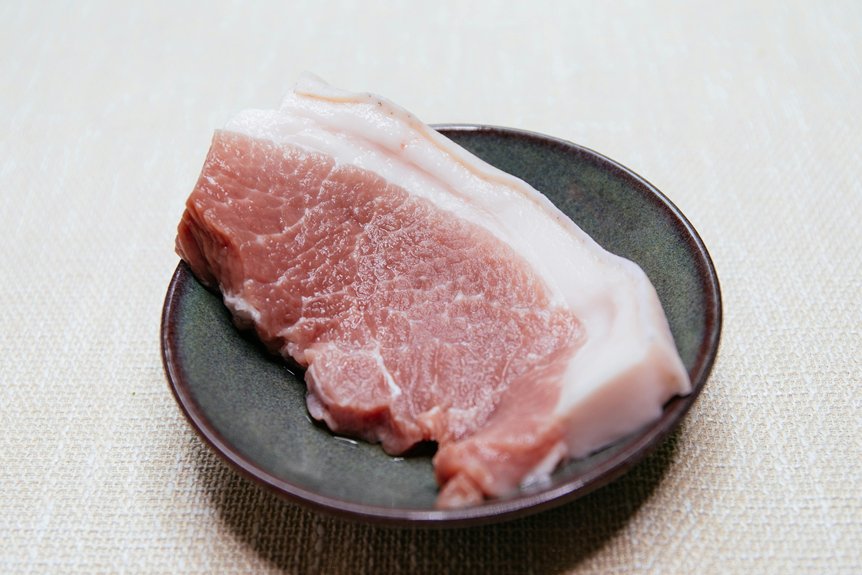
Pork jowl is the fatty cheek cut from a pig’s chin area, packed with rich flavor that’ll transform your dishes. I’d braise it low and slow for about two hours at 300°F in seasoned broth, then broil the sliced pieces for a crispy finish. You can also pan-fry thin slices in cast iron like bacon. Look for firm flesh with creamy white fat at specialty butchers since grocery stores rarely stock it. The real magic happens when you understand the temperature tricks and rendering techniques that separate mediocre results from outstanding ones.
What Is Pork Jowl and Where It Comes From
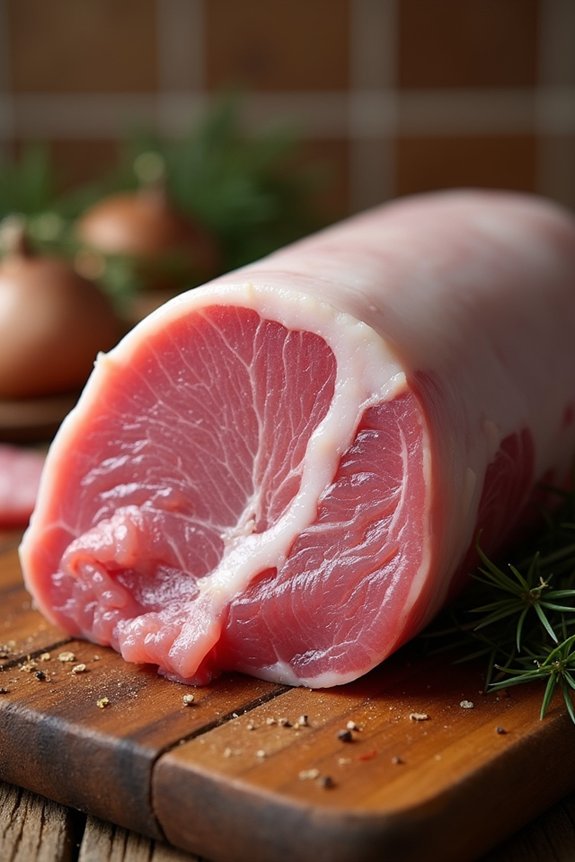
Ever wondered what makes guanciale so flavorful? That’s pork jowl—the fatty cheek cut from a pig’s chin area. I find it’s one of those underrated cuts that transforms ordinary dishes into something special.
What sets pork jowl apart is its composition. It’s packed with fat layered between meat, plus connective tissue and sometimes skin. This isn’t like pork belly. The jowl’s higher fat-to-meat ratio creates that rich, hearty flavor you’re after.
You’ll notice pork jowl isn’t everywhere. Many butchers require special orders or online purchases. Some vendors cleverly market sliced jowl as “Poor Man’s Bacon,” which honestly captures its versatility. Whether you’re curing it, braising it slow, or frying it crispy, this cut delivers depth that regular cuts can’t match.
Why Pork Jowl Deserves a Place in Your Kitchen
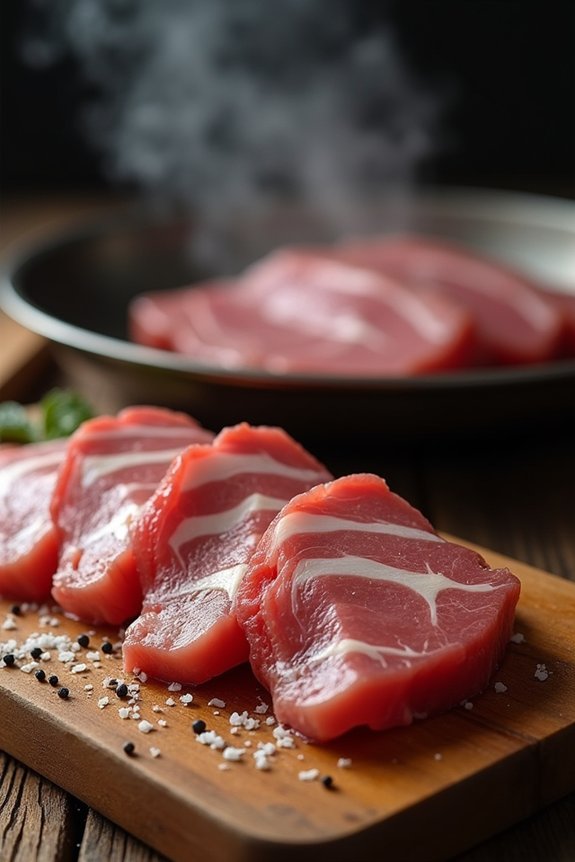
Why should you care about a cut most people overlook? Pork jowl deserves your attention because it delivers intense flavor that transforms ordinary dishes into something special. I’ve found that this underrated cut brings richness to soups, stews, and greens that other ingredients simply can’t match. You’re tapping into centuries of Italian culinary tradition when you work with pork jowl—it’s the foundation of guanciale, a beloved cured meat.
What makes pork jowl remarkable is its fat-to-meat ratio. Those generous fat layers render beautifully during cooking, infusing your entire dish with savory depth. Unlike pork belly, jowl offers a more intense bacony flavor that stretches your ingredients further. You’ll join home cooks and chefs who’ve discovered this cut’s potential to elevate everyday meals into something memorable.
Where to Buy Pork Jowl (and What to Look For)
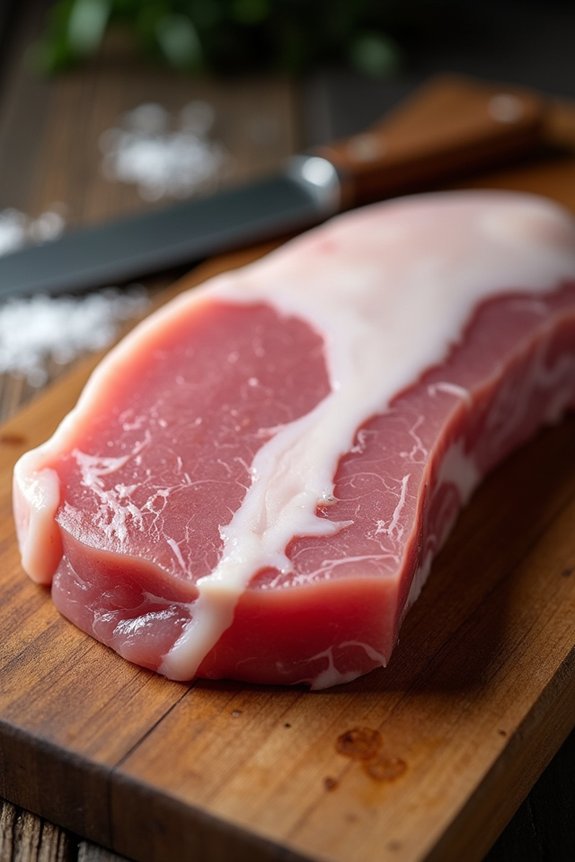
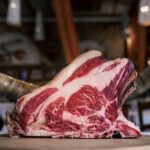
Now that you understand pork jowl’s culinary power, finding it becomes your next step. You won’t spot jowl lounging in your average grocery store’s meat section—I’ve learned this the hard way. Instead, visit specialty butchers or order online from meat suppliers who take pride in their stock. When you find a jowl, inspect it closely. Look for fresh, firm flesh with a clean smell and minimal discoloration. The fat should look creamy white, not soft or yellowed. Some butchers label it “hog jowl” or offer pre-sliced versions for quick cooking. Ask your butcher directly about availability since many produce jowl in-house for guanciale, so supplies fluctuate. Building a relationship with your butcher pays dividends when hunting for specialty cuts like this.
Master Braised Pork Jowl With a Crispy Broiled Finish
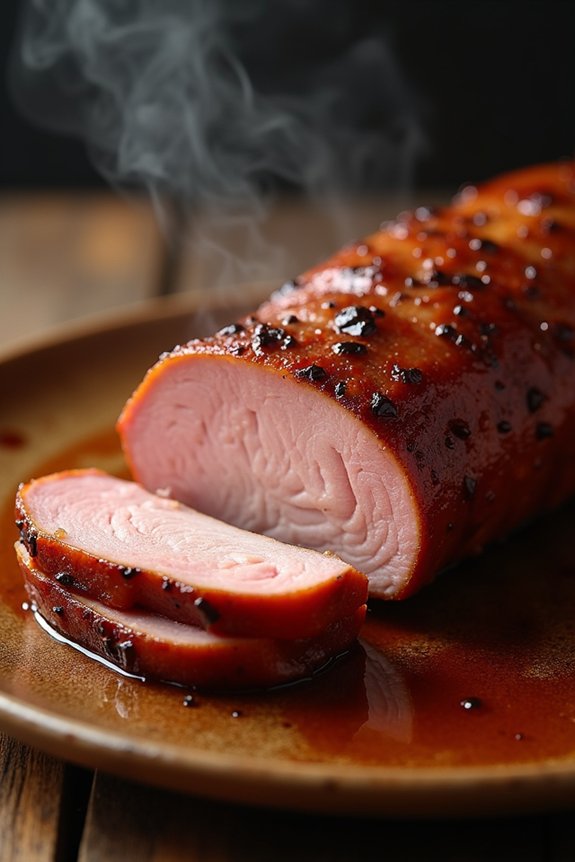
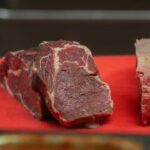
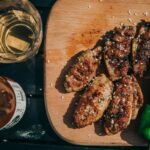
The magic of this recipe lies in two-stage cooking that transforms pork jowl from a tough, fatty cut into something surprisingly tender with a shattered, caramelized crust. You’ll braise the jowl for about two hours at 300°F in chicken broth seasoned with apple cider vinegar, hot pepper sauce, smoked paprika, garlic powder, and dried thyme. This slow process renders the jowl fat beautifully, tenderizing connective tissue throughout. Once cooled slightly, you’ll slice it into ½-inch pieces and broil them 2–3 minutes per side until golden and crispy. Alternatively, bake at 400°F for 15–20 minutes per side or pan-fry in batches. One jowl yields about six 2-ounce servings—this richly flavored cut shines in small portions.
Pan-Fry Sliced Jowl Like Bacon
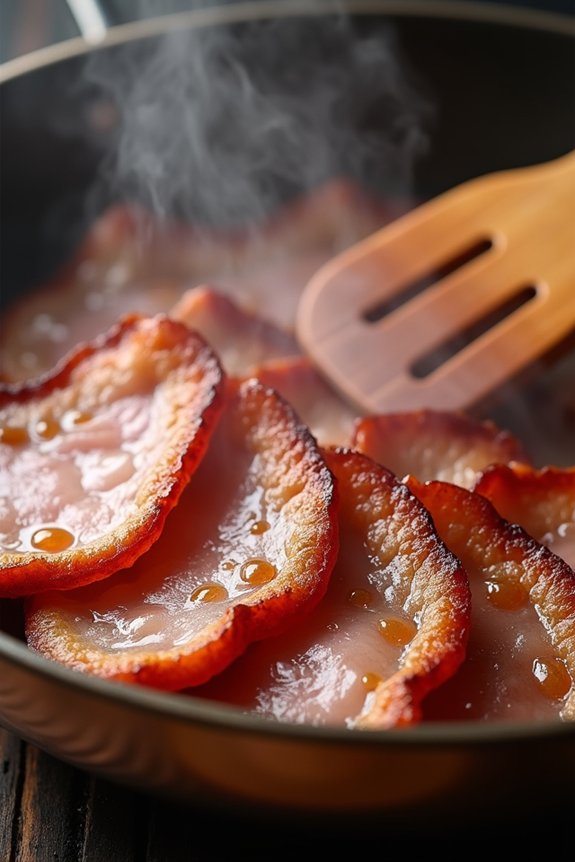
Ever wondered how to get that crispy, bacon-like texture from pork jowl? I’ll show you how to transform thin jowl slices into a delicious bacon substitute that’ll make your breakfast routine more interesting.
| Step | Method | Result |
|---|---|---|
| 1 | Use dry cast iron skillet | Even heat distribution |
| 2 | Cook over medium heat | Proper fat rendering |
| 3 | Salt during or after cooking | Enhanced flavor |
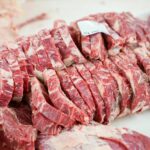
Start with your dry skillet over medium heat. Add your jowl bacon slices and let them cook for a few minutes per side. You’ll notice browning and crispy edges developing as the fat renders out. Flip once to ensure both sides get equally crispy. The high fat content means you’ll want to adjust your seasoning—don’t be shy with salt. Watch for carryover cooking after removal; those edges’ll continue crisping slightly. That’s when you know you’ve nailed it.
Southern Black-Eyed Peas With Hog Jowl
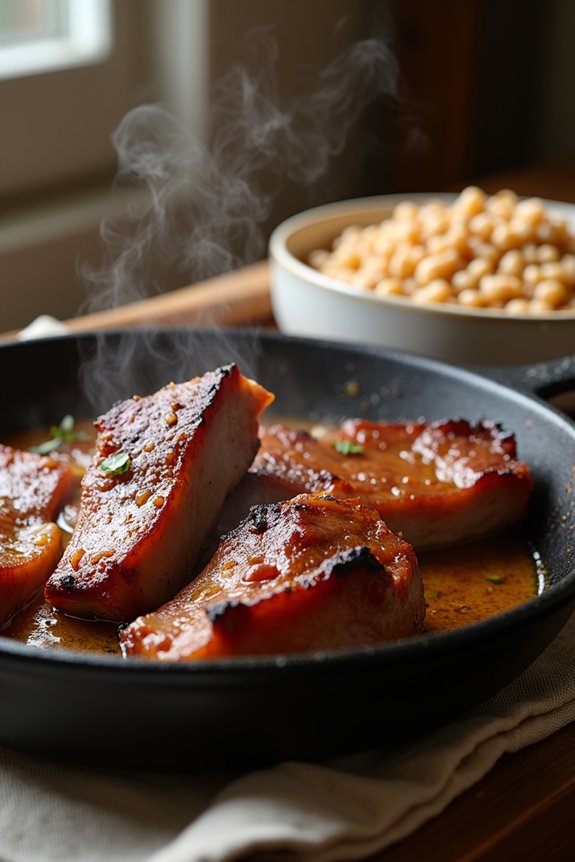
While pan-fried jowl slices make a fantastic breakfast item, you’ll find this cut truly shines when it’s simmered into a classic Southern dish. Southern Black-Eyed Peas with Hog Jowl combines dried peas with chunks of pork jowl for smoky, savory depth. Start by soaking your peas overnight with baking soda. Brown the hog jowl in a Dutch oven until crispy, rendering its fat. Add onions and garlic, then stir in the drained peas and chicken broth. Let everything simmer for 1.5 to 2 hours until the peas turn tender and absorb that rich pork flavor. Serve alongside cornbread for the complete experience—no fancy ingredients needed, just honest cooking.
Add Pork Jowl to Soups and Greens for Deep Flavor
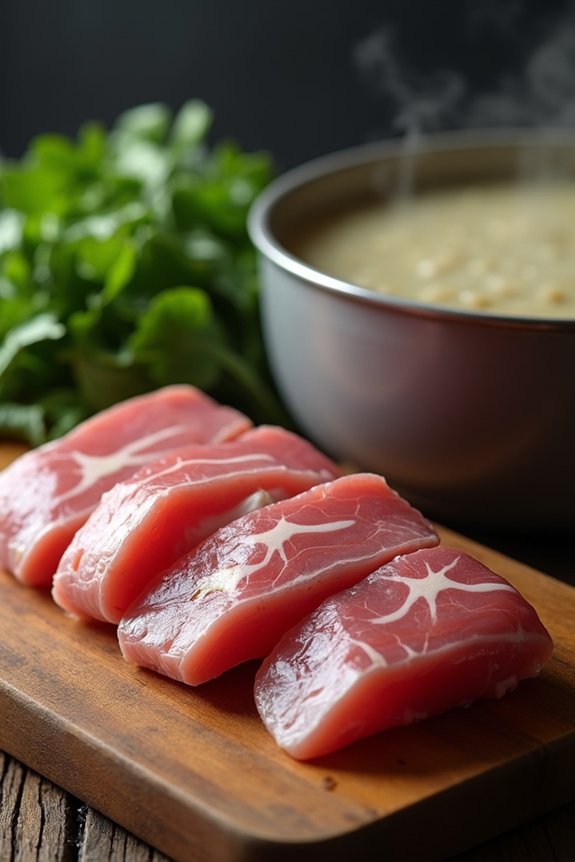
I’ve found that adding diced pork jowl to soups and greens transforms ordinary broths into something genuinely rich and satisfying. When you simmer jowl alongside beans, collards, or mustard greens for an extended time—think 45 minutes to an hour—the fat and connective tissue slowly render, creating that bacony depth that makes people ask what your secret ingredient is. Just keep an eye on salt levels since some jowl cuts carry curing flavors that can sneak up on you.
Flavor Enhancement For Soups
Why does pork jowl transform an ordinary pot of beans or greens into something deeply satisfying? It’s the fat. When you cook with pork jowl, you’re tapping into pure flavor magic that’ll make your kitchen smell incredible.
Here’s what happens:
- Brown the jowl first to develop rich, smoky Maillard compounds that deepen your broth’s flavor profile
- Let it slowly render as it simmers, releasing fatty notes that create a robust backbone for your dish
- Time it right by adding diced jowl toward cooking’s end so it enhances without overpowering your vegetables and legumes
That rendered fat acts as a natural emulsifier, unifying your broth and greens into something silkier. You’re not just adding meat—you’re creating depth that transforms good soup into the kind you’ll crave.
Greens And Bean Pairings
Two classic Southern dishes—a pot of collard greens and a bowl of beans—become something seriously special when you add pork jowl to the mix. I find that simmering pork jowl with aromatics like garlic and thyme creates a savory foundation that transforms both preparations. The rendered fat infuses your cooking liquid with a bacon-like depth, while the jowl itself contributes protein and creates that velvety texture dried beans truly crave. For greens, slow-cooking the jowl first reduces bitterness and builds flavor layers. Pair everything with hot pepper sauce for authentic Southern character. You’re not just adding an ingredient—you’re creating a complete flavor experience that brings comfort and belonging to your table.
Store and Reheat Braised Pork Jowl: A Guide
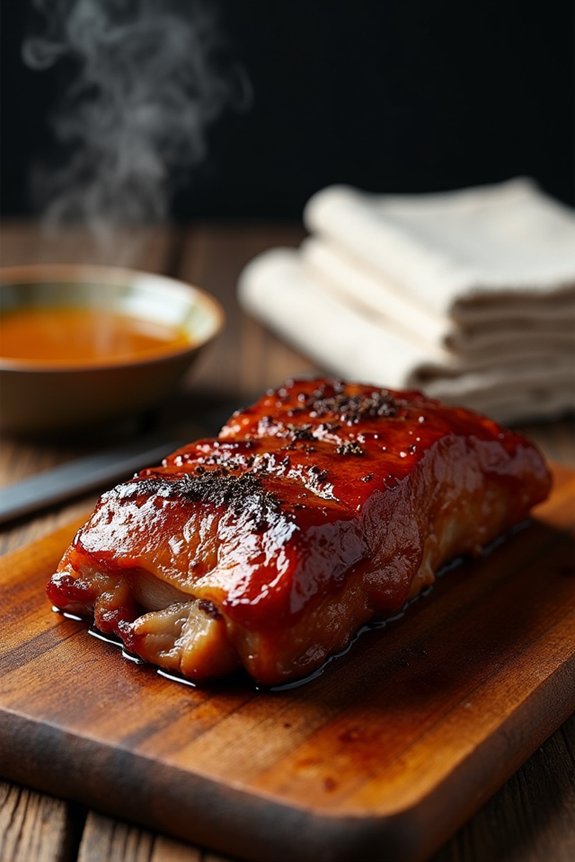
Once you’ve mastered cooking braised pork jowl, the thing is—you’ll want to make sure your leftovers stay just as delicious as that first meal. I’ve found these storage and reheating methods work beautifully:
- Store properly: Place cooled jowl in an airtight container and refrigerate for up to four days.
- Reheat gently: Microwave at 50% power with a paper towel to lock in moisture, or use a broiler-safe sheet under low heat to re-crisp that fatty exterior.
- Freeze strategically: Portion before freezing, then thaw overnight in your fridge before reheating.
After reheating, let your jowl rest for a minute. This brief pause allows carryover cooking to finish and moisture to redistribute throughout. Your braised masterpiece deserves that extra care.
Pork Jowl Troubleshooting: When Things Go Wrong
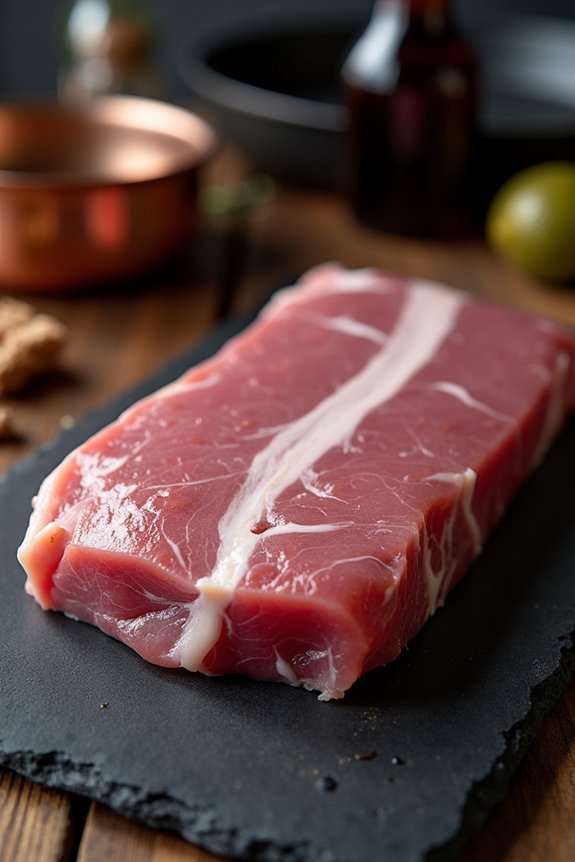
I’ve found that pork jowl cooking doesn’t always go smoothly, but most mishaps come down to three common issues: undercooked meat that’s still tough and fatty, excessive fat that won’t render properly, and texture problems ranging from dryness to stringiness. The good news is that each problem has a straightforward fix—whether that’s extending your braise by 15–30 minutes, adjusting your seasoning with more salt and a splash of vinegar, or finishing with a hot broil to crisp everything up. Let me walk you through what’s likely happening and how to rescue your dish.
Undercooked Jowl Solutions
Why does pork jowl sometimes come out pink in the middle or feel tough as rubber? Pork jowl safety depends on reaching the right internal temperature. Here’s how I fix undercooked jowl:
- Check the temperature first—use a meat thermometer to verify it’s hit 145°F (63°C) and held there for 3 minutes before serving
- Extend braising time by 15–30 minutes—keep that liquid at a gentle simmer so connective tissue breaks down properly
- Test for fork-tenderness, not just color—pink centers beyond normal cooking time signal undercooking; don’t rely on appearance alone
I’ve learned that skipping proper searing or using insufficient braising liquid creates chewy, dry results. For very fatty cuts, I reduce braising time or finish under the broil to avoid greasiness while maintaining tenderness. These adjustments guarantee you’ll nail it next time.
Excessive Fat Management
Pork jowl can pile on so much fat that it drowns out all the other flavors in your dish—so managing that richness is key to getting a result you’ll actually want to eat. I’ve found that excess fat management starts with understanding your cut. If your jowl is mostly fat, skip braising entirely. Instead, slice it, season generously, and bake at 400°F for 15–20 minutes per side. This renders the fat while crisping the exterior.
| Method | Temperature | Time | Best For | Result |
|---|---|---|---|---|
| Baking | 400°F | 15–20 min/side | Fat-heavy cuts | Crispy exterior |
| Pan-frying | Medium-high | 8–12 min/side | Control | Even browning |
| Braising | 325°F | 2–3 hours | Leaner portions | Tender meat |
Use salt sparingly initially. Taste after rendering fat. Carryover cooking continues after removal, so slightly undercook to prevent greasiness.
Texture and Tenderness Issues
Achieving the right texture in pork jowl comes down to balancing two competing problems: undercooked fat stays chewy and unpleasant, while overcooked fat turns brittle and tough. You’ll want that melt-in-mouth tenderness we all crave.
Here’s what I’ve learned works:
- Braise low and slow — Cook covered in liquid for 2–3 hours at 300°F, letting pork jowl fat rendering happen gradually
- Extend cooking if needed — If it’s still tough, add 20–30 minutes and check liquid levels
- Finish with high heat — A quick sear afterward renders remaining fat further
Watch your seasoning too. Excessive salt actually toughens meat, so taste first before adjusting. Slice against the grain to break up connective tissue. Finally, rest your jowl 10–15 minutes after cooking—this redistributes juices and improves tenderness significantly.