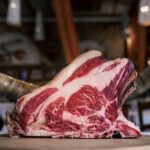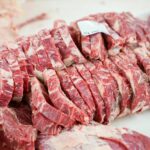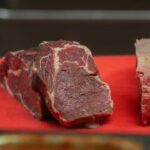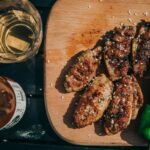

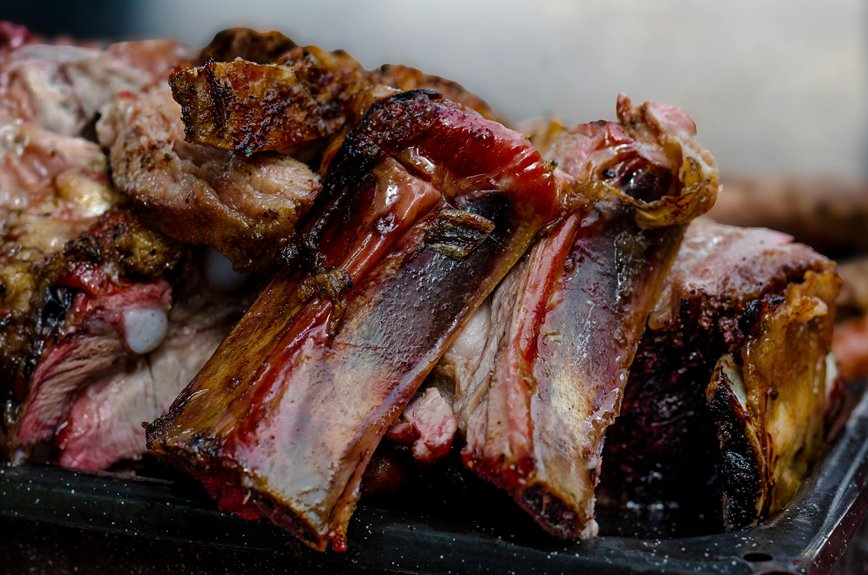
Short ribs are exclusively beef, not pork—a mix-up that catches many home cooks off guard. They come from cattle, specifically the chuck, brisket, plate, or rib areas. You might confuse them with pork spare ribs since both work great in slow-cooking recipes, but they’re entirely different animals. Chuck short ribs offer the best marbling and tenderness, making them ideal for braising. Understanding which cut you’re grabbing at the butcher counter makes all the difference in your cooking results.
The Short Answer: Short Ribs Are Beef
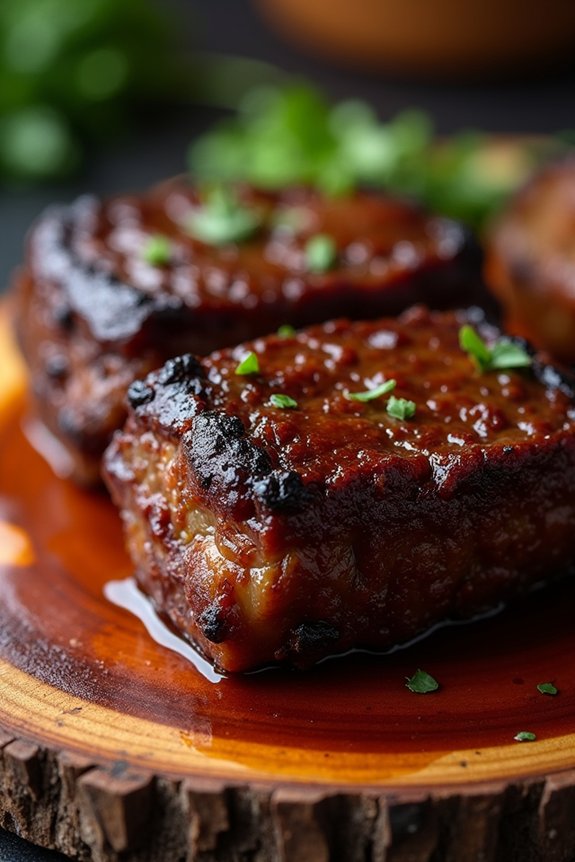
Short ribs come from cattle, not pigs—so they’re definitely a beef cut. I’ll be honest: this confusion happens more often than you’d think. When you’re shopping for beef short ribs, you’re selecting meat from specific cow sections like the chuck, brisket, plate, or rib areas. These beef cuts pack serious flavor and tenderness when cooked low and slow. You’ll encounter two main styles: the English cut, which features a single bone with meat attached, and the flanken cut, a Korean-style option with bones running crosswise. Both deliver remarkable results for braising and slow cooking. Understanding that short ribs are beef—not pork—helps you navigate the butcher counter with confidence and choose the right cut for your next delicious meal.
Which Part of the Cow Gives You Short Ribs?
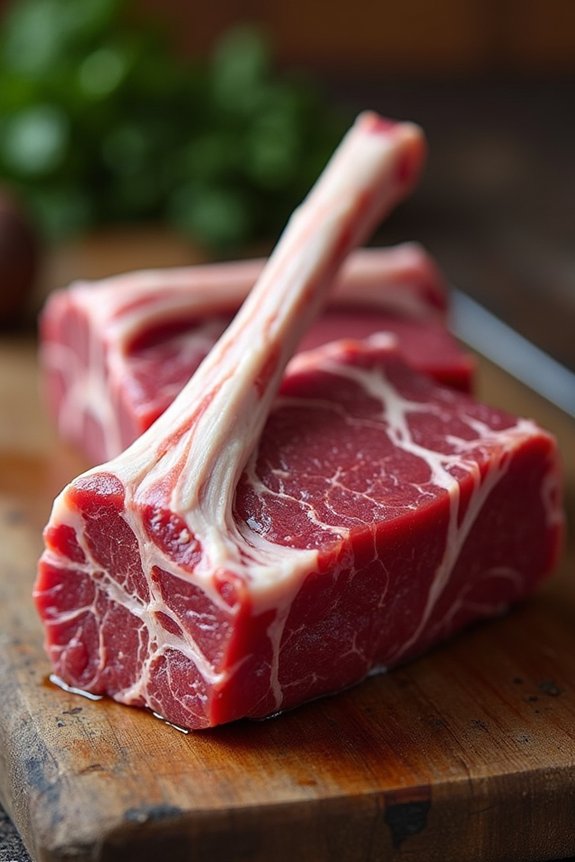
Where exactly do butchers find short ribs on a cow? I’ll tell you: they come from several sections, but the chuck primal is your best bet. You’ll find the most flavorful, well-marbled short ribs coming from the chuck area because of its rich fat content. They can also originate from the brisket, plate, or rib sections, though these variations offer different characteristics. When you’re shopping for beef cuts, understanding the short ribs origin matters because chuck-based ribs deliver superior tenderness and flavor when you braise or slow-cook them. The marbling—those fat streaks running through the meat—makes chuck short ribs ideal for low-and-slow cooking methods. That’s why most home cooks and restaurants rely on chuck primal short ribs for their recipes.
Why Short Ribs Aren’t Pork
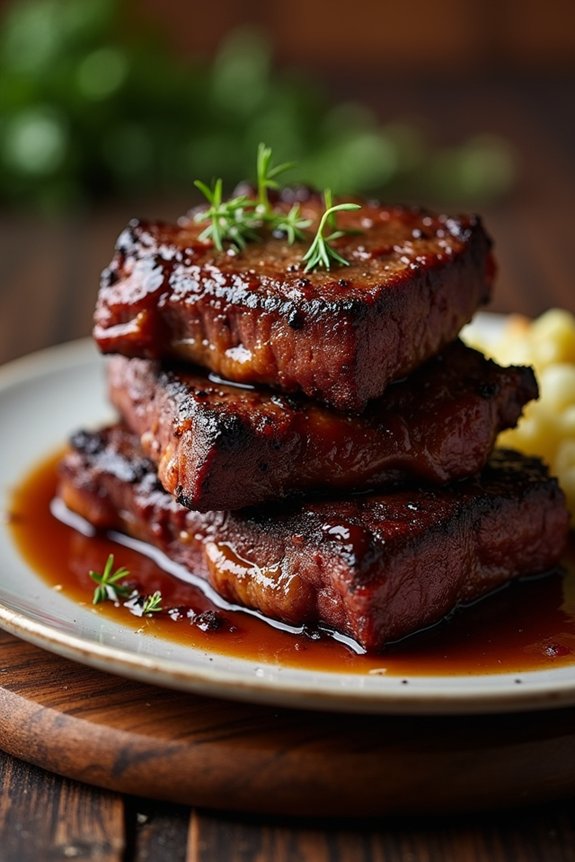
There’s often confusion between beef short ribs and pork spare ribs, but they’re distinctly different cuts from entirely different animals. Short ribs come exclusively from cattle—specifically from the chuck, brisket, plate, or rib sections. Pork spare ribs, on the other hand, come from pigs and represent a completely separate product.
I think the mix-up happens because both cuts work beautifully for slow-cooking methods. However, beef short ribs offer a thicker meat slab and come in either English cut or flanken cut styles. When you’re shopping and see “spare ribs” in a pork context, that’s your clue you’re looking at pork, not beef short ribs. Understanding this distinction helps you select the right meat for your recipe and prevents any kitchen mix-ups.
English vs. Flanken: Which Cut Should You Cook?
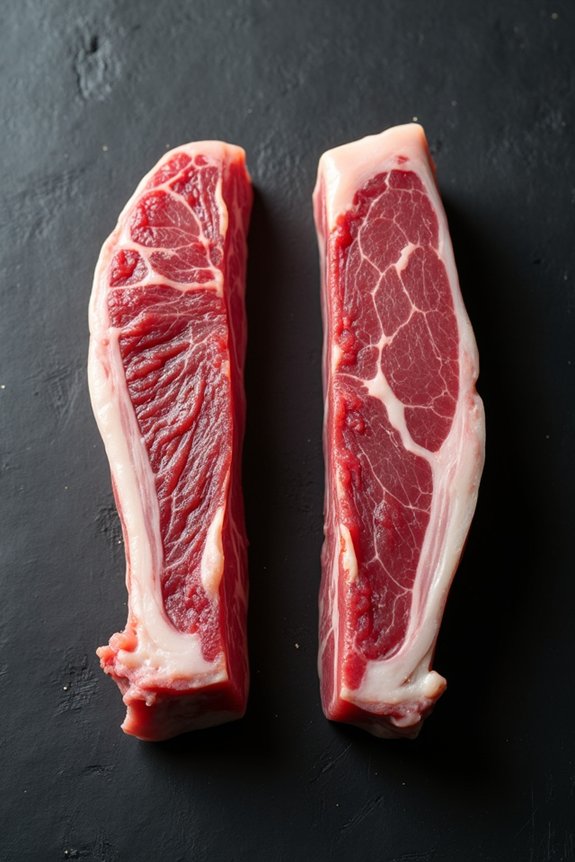
Once you’ve confirmed you’re buying beef short ribs, you’ll face another choice: English cut or flanken cut.
| Aspect | English-Cut | Flanken-Cut |
|---|---|---|
| Shape | Thick meat-on-bone slab | Long strips with multiple bones |
| Best Use | Braising or smoking | Korean-style grilling |
| Presentation | Impressive bone display | Thin, quick-cooking slices |
| Cooking Time | 3–4 hours low heat | 5–10 minutes high heat |
| Flavor Result | Deep, rich tenderness | Caramelized, charred exterior |
English-cut short ribs work wonderfully when you’re braising or smoking. Their thick structure holds up during long cooking, developing incredible tenderness. Flanken-cut short ribs, crosscut across the bones, suit quick grilling. You’ll appreciate how they cook fast—no all-day commitment needed. Choose English-cut if you’re planning a low-and-slow feast. Pick flanken-cut when you want restaurant-quality results in minutes. Both deliver that prized beef richness you’re after.
The Four English Cuts You’ll Actually See at a Butcher Counter
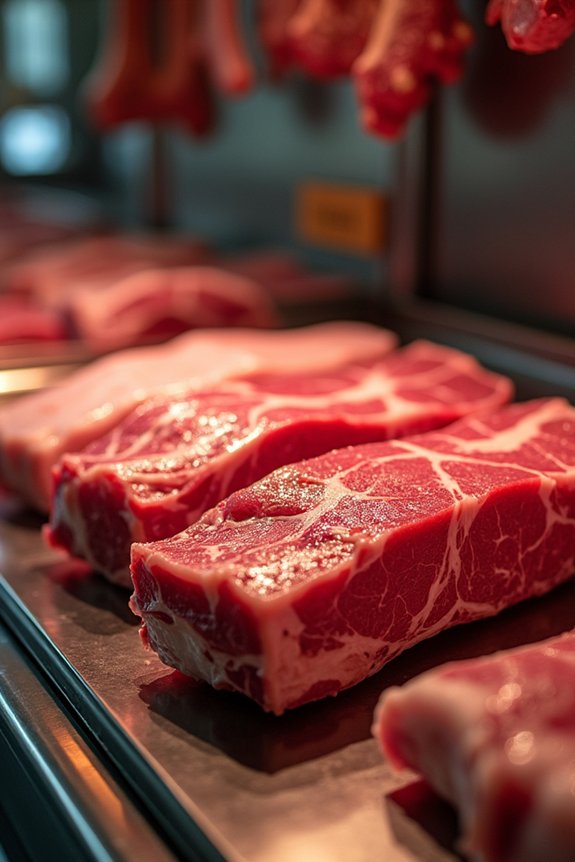
When you head to the butcher counter, you’ll spot several English cut variations that differ mainly in how much fat and bone they retain. I’ve found that trimmed English short ribs have most of the excess fat removed while keeping the bone structure intact—perfect if you want cleaner presentation without sacrificing flavor. You’ll also encounter lean variants, which offer even less marbling, and boneless English short ribs or riblets that skip the bone altogether, giving you flexibility depending on whether you’re braising low-and-slow or searing quickly for a weeknight dinner.
Trimmed English Short Ribs
Why do trimmed English short ribs sit in the middle ground of the short rib world? These beef cuts strike a balance between leaner presentations and richer options. I find them practical because they’re bone-in, which means they’ll deliver that marrow-infused flavor you’re after during cooking. The exterior fat cover and some muscle have been removed, giving you less trimming work at home—though not as aggressively as the leanest cuts available.
What makes trimmed English short ribs appealing is their dense meat slab atop the bones. This structure holds up beautifully during braising or smoking, developing deep, complex flavors. You’ll get better results than boneless alternatives since the bones contribute richness. They’re the “just right” option for home cooks who want quality without excessive fat or excessive butchering.
Lean English Short Rib Cut
If you’re looking for the leanest version of English short ribs, you’ve found the sweet spot for trimming without sacrificing flavor. This beef cut removes more exterior fat than its trimmed counterpart, making it ideal if you’re watching your fat intake. You’re still getting that substantial meat-on-bone portion that makes short ribs so satisfying—just with less visible fat cap.
I find lean English short rib works beautifully for braising, where the remaining marbling keeps everything tender and flavorful. They’re also fantastic for smoking if you prefer leaner results. The bones still deliver that rich beef essence you want, while the trimming gives you cleaner presentation.
These ribs maintain enough fat to stay moist during long cooking, hitting that perfect balance between health-conscious eating and authentic barbecue satisfaction.
Boneless English Short Rib Variants
Ever wonder what happens when a butcher removes the bones from an English short rib? You’re left with a boneless English short rib—a uniform slab of beef that’s honestly a game-changer for home cooks. These cuts typically measure 1-2 inches thick and 8 inches long, making portioning straightforward and stress-free.
I find boneless English short ribs perfect for braising because they cook faster than bone-in versions while delivering that rich, tender beef flavor you’re after. Here’s what makes them stand out:
- Uniform thickness ensures even cooking throughout
- Easier portioning for consistent servings
- Faster braising times compared to bone-in cuts
- Ideal for shredded beef applications
- Premium presentation on the plate
Whether you’re crafting braised entrees or hearty stews, boneless variants deliver restaurant-quality results at home.
Best Cooking Methods for Beef Short Ribs
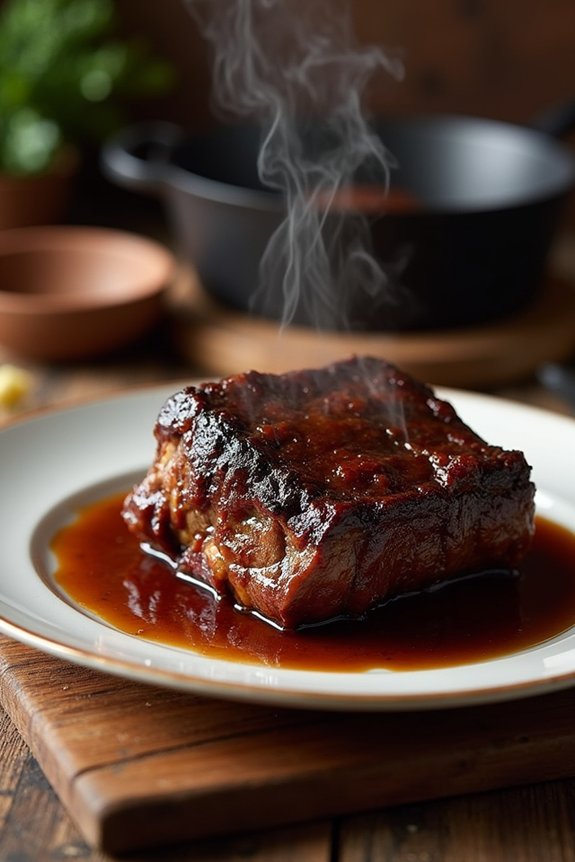
How do you transform a tough cut of meat into something fall-apart tender and incredibly flavorful? I’ve found that braising is the traditional method that delivers results. You’ll sear your beef short ribs first to develop a golden crust, then submerge them in liquid and cook low and slow. This process breaks down collagen, making the meat incredibly tender.
Other excellent approaches include smoking for deep, complex flavors, sous vide for precise temperature control, and slow-roasting for consistent results. Each method suits different occasions. Braising works beautifully for stews, while smoking creates BBQ magic. The key is choosing the method that matches your time and desired outcome. Any of these approaches will make you look like a cooking pro.
How Many Short Ribs Per Person?
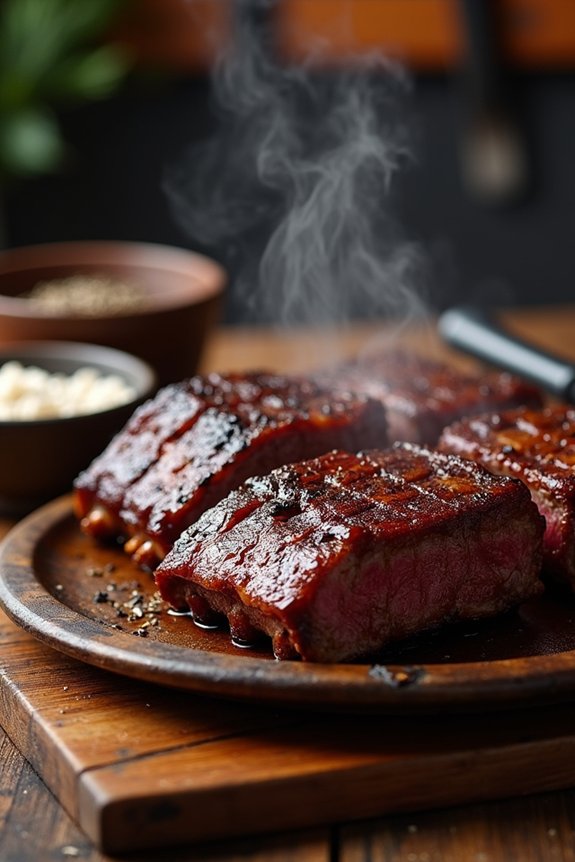
When you’re planning dinner and short ribs are on the menu, figuring out the right portion size matters more than you’d think. I’ve found that serving size depends on your cut style and how hungry your guests are.
For bone-in English-cut short ribs, plan about 1 to 2 ribs per person. Remember that bones add weight but not actual meat. If you’re serving boneless equivalents, aim for 3 to 4 ounces per person instead.
Here’s what I consider when planning:
- English cuts offer substantial meat portions on dense bones
- Flanken cuts provide long strips across multiple bones
- Bone weight requires portion adjustments
- Appetites vary by guest and meal context
- Leftover ribs reheat beautifully for next-day meals
This approach ensures everyone leaves satisfied without excessive waste.
Chuck Short Ribs vs. Brisket and Plate Short Ribs
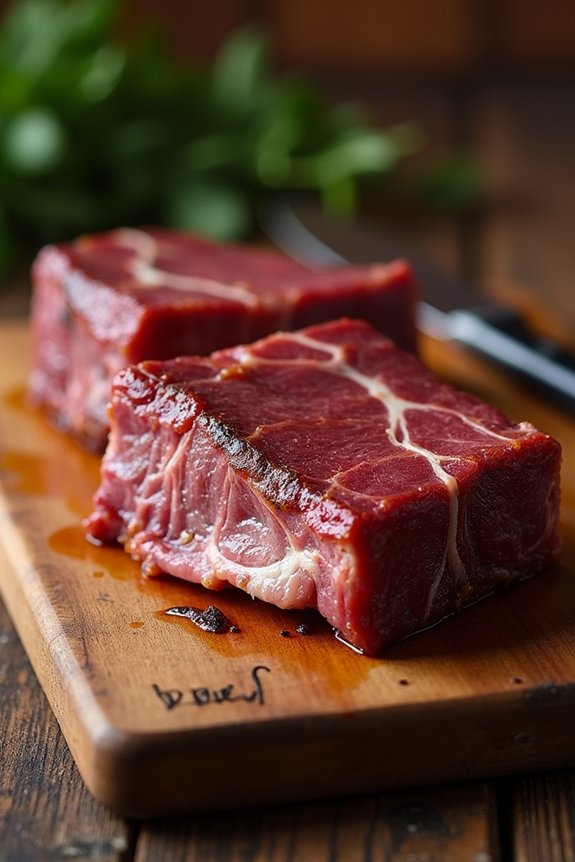
What makes one cut of short ribs different from another? I’ll break down the main players. Chuck short ribs come from the shoulder area and offer exceptional marbling—those fat streaks running through the meat that create rich, beefy flavor. Brisket short ribs, cut from the chest, feature a larger muscle mass sitting atop the bone, giving you more meat per rib. Plate short ribs, though leaner than chuck, still pack serious flavor thanks to their connective tissue and fat distribution.
Here’s the thing: all three are beef, not pork. The real difference? Where they’re sourced. Your choice depends on what you’re cooking. Prefer maximum tenderness and flavor? Go chuck. Want more meat? Choose brisket. Either way, you’ll nail it with low-and-slow braising or smoking.
Why Chuck Short Ribs Command Premium Prices
I’ll show you why chuck short ribs command those premium prices—it all comes down to where they come from on the animal. The serratus ventralis muscle, which sits thick in the chuck primal, delivers superior marbling throughout the meat, creating that rich, beefy flavor you can’t get from leaner cuts like brisket or plate short ribs. This natural fat content isn’t just tasty; it transforms during cooking into a velvety texture that butchers and chefs can’t help but price higher than other rib options.
Chuck Primal Superior Marbling
Premium chuck short ribs don’t command those higher prices by accident—they’ve earned it through their superior marbling and prime location on the beef. I’ll explain why the chuck primal stands out among all rib sections.
The shoulder area delivers intramuscular fat that you won’t find elsewhere. This marbling transforms short ribs into something special:
- Serratus ventralis muscle contains significant fat deposits
- Intramuscular marbling melts during cooking, enhancing flavor
- Limited availability makes these cuts more desirable
- Braising potential improves with higher fat content
- Smoking results benefit from rich marbling distribution
When you’re selecting short ribs, you’re investing in quality. The chuck primal’s natural composition means better taste and texture after cooking. That’s what separates premium short ribs from standard cuts—pure beef excellence built into their structure.
Serratus Ventralis Muscle Thickness
The serratus ventralis muscle—that thick layer of meat sitting between the ribs and the shoulder blade—is what really makes chuck short ribs stand out from every other cut on the animal. This muscle is noticeably thicker in the chuck primal than anywhere else, which explains why you’ll pay premium prices for these ribs. When you’re shopping, you’re paying for serious marbling and deep beef flavor that other cuts simply can’t match. The serratus ventralis runs across the rib cage from near the second rib toward the rump, delivering substantial meat around each bone. That thick muscle-to-bone ratio? It’s basically the secret ingredient that transforms chuck short ribs into the gold standard for low-and-slow cooking. Braise or smoke them properly, and you’ll understand why they’re worth every penny.
Premium Flavor Profile Distinction
Why do chuck short ribs cost more than other cuts at the butcher counter? I’ll tell you—it’s all about that premium beef flavor profile that makes them worth every penny.
Chuck short ribs deliver richness you won’t find elsewhere. Here’s what sets them apart:
- High marbling creates deep, complex beef flavor
- Serratus ventralis muscle contributes distinctive beefy taste
- Thick meat-on-bone structure enhances moisture retention
- Limited supply drives premium pricing
- Superior slow-cooking versatility justifies higher costs
When you’re investing in short ribs, you’re getting beef that transforms during braising or smoking. That intramuscular fat renders into pure flavor, creating succulent, tender results. The chuck short ribs’ natural richness means you’ll need fewer seasonings to achieve restaurant-quality depth. If you want beef that delivers serious taste and texture, these ribs represent genuine value despite their higher price tag.
Where to Source High-Marbling Short Ribs
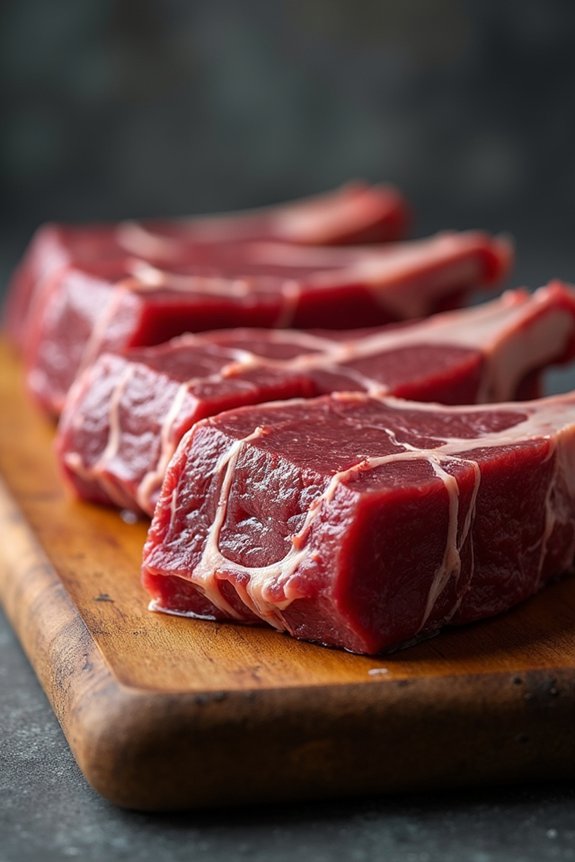
Where can you actually find beef short ribs that’ll deliver that melt-in-your-mouth richness you’re after? I’d recommend hitting up your local butcher first—they’ll point you toward short ribs sourced from the chuck primal, which boasts superior marbling. That intramuscular fat is what transforms these beef cuts during cooking, creating that fall-apart texture.
Specialty meat shops often stock premium options like trimmed English or lean English variants, letting you choose your fat-content preference. Wholesale retailers work too if you’re buying bulk. When selecting, look for visible white streaks running through the meat—that’s the marbling doing its job. Ask your butcher about sourcing; quality matters here. You’re investing in connective tissue and collagen that’ll reward you during braising or smoking.